A successful implementation requires thorough planning, strong leadership, effective communication, and careful resource management, as 70% of change management projects fail due to poor execution.
Top 5 Factors for Success
Leadership Buy-in: Active involvement from the top down.
Clear Strategy & Goals: Everyone understands what success looks like.
Actionable Plan: Turning strategy into specific steps.
Performance Measurement: Tracking progress against priorities.
Technology Partner: Leveraging the right tools and expertise.
The points highlighted here are provided as a guide only and are by no means a comprehensive implementation plan.

Define Clear, Measurable Goals: Whether it’s saving time, improving compliance, or getting better visibility of your operations, having clear goals will help you measure success.
Understand Your Current Processes: Map out existing workflows to understand gaps, Where are the pain points? What slows your team down? This helps us support you in moving those processes smoothly onto our platform. It also helps our trainers to provide tailored support in line with your business preferences.
Plan Your Rollout: Develop a roadmap that includes project scope, milestones, and contingency measures for unexpected issues. This helps keep the rollout on track, even if things change along the way.
Make Sure You Have What You Need: Make sure you have the right people and devices ready. For example, tablets for workshop teams, or mobile phones for drivers and field staff. Being prepared upfront avoids delays later. Check our minimum requirements here.
Appoint a Project Lead: This person should keep things moving, solve problems, and be the main point of contact.
Assign Clear Roles and Ownership: Clear points of contact will ensure implementation updates are sent to the right staff and that all stay informed.
Get the Right People Involved: Include team members from workshop, operations, compliance, or maintenance where applicable. This ensures the system works for everyone and supports smoother adoption.

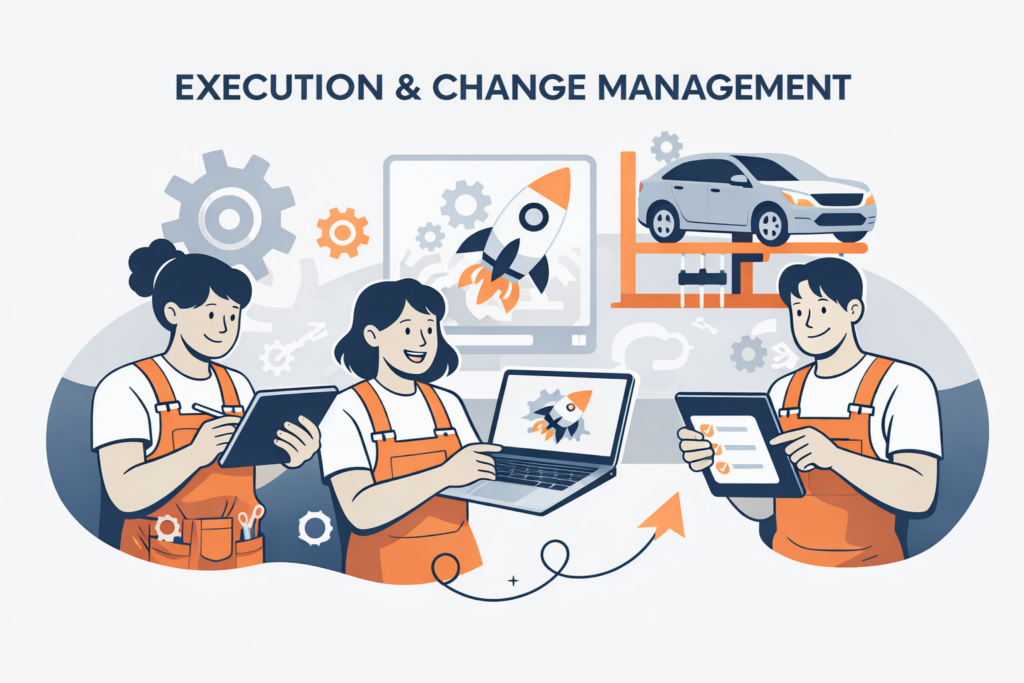
Manage Change and Communication: Keep your team informed from the start. Regular updates help everyone understand what’s changing, what to expect, and reduce any uncertainty along the way.
Focus on User Adoption: Prioritise training and support to ensure employees can use the r2c system effectively.
Iterative Approach (Agile): Break the rollout into manageable phases. This makes it easier to see progress, pick up quick wins, and adjust as you go rather than trying to do everything at once.
Data Migration and Clean-up: Before moving data into the new system, take time to clean it up. Accurate, well-organised data will save time later and help everything run more smoothly.
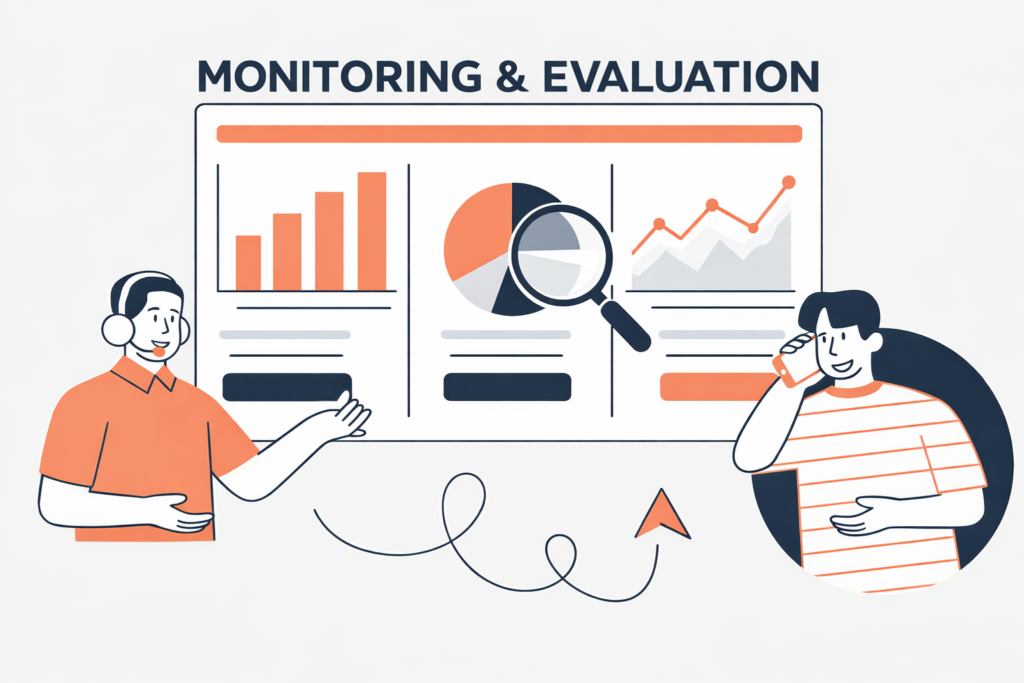
Track Progress with KPIs: Monitor key performance indicators (e.g., milestone completion rates) to ensure the project is on track.
Regularly Review and Adapt: Set regular check-ins to review progress, answer questions, and make any necessary changes. Staying flexible helps keep things on track.
Conduct Post-Implementation Review: Once you’re up and running, take time to review how things went. Identify what worked well and where you can improve, especially if you’re rolling out more features and modules later.
Click here to go back to Implementation Services.
Get started with your r2c account by completing your E-Learning courses. See how to request a login reminder here.
E-learning
Get in touch to arrange your Instructor led training. Sessions are run daily at 10:30, 13:30 or 15:30
Book Training
- Still need help?
If you have any questions about your account implementation please get in touch with our team